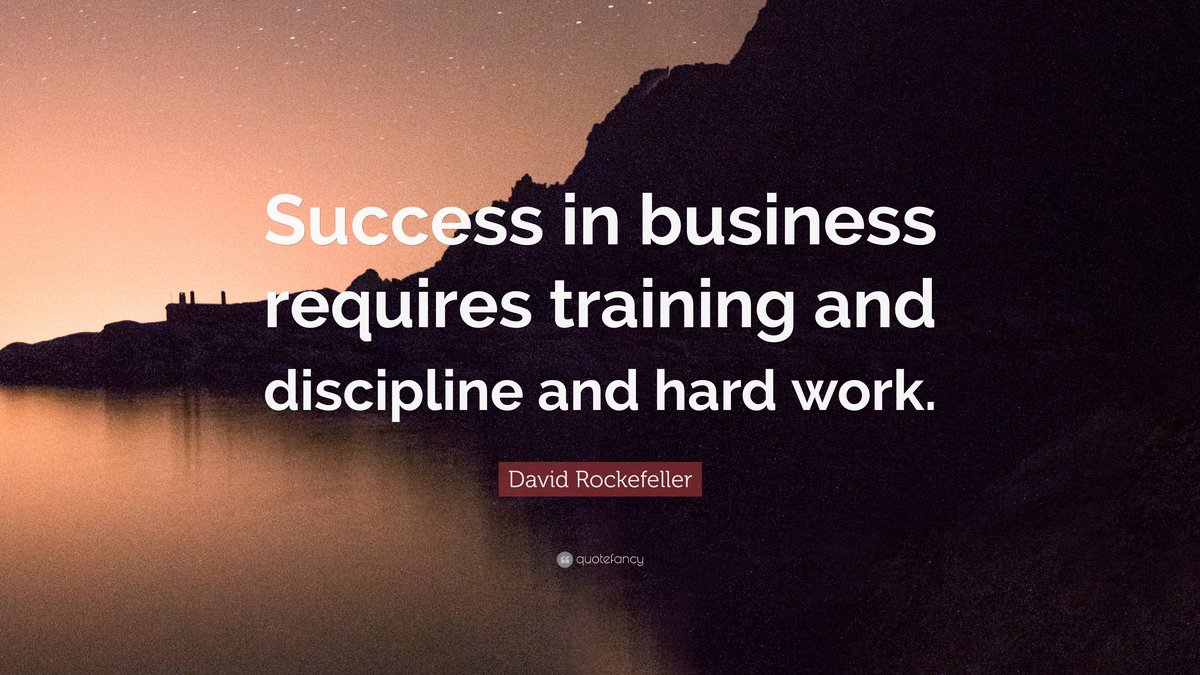
Beyond Tomorrow: Fueling Your Work Ethic into 2025
In the relentless pace of modern work life, where deadlines loom and ambitions soar, finding a consistent wellspring of motivation is crucial. Motivational quotes serve as potent, bite-sized injections of wisdom, reminding us of our potential and the path ahead. As we look towards future milestones, perhaps even a specific date like October 5, 2025, these profound statements offer more than just fleeting encouragement; they provide a bedrock for perseverance, helping to clarify our vision and ignite the daily drive needed to transform aspirations into reality, keeping our spirits high and our goals firmly in sight.
These aren’t mere platitudes; they are distillations of human experience and success, crafted to reframe challenges and reinforce purpose. Integrating them into your routine can subtly but powerfully shift your mindset, empowering you to navigate complex projects, overcome setbacks, and maintain momentum. Whether it’s a reminder about resilience, the value of consistent effort, or the importance of a positive outlook, the right quote at the right moment can be the catalyst for breakthroughs, ensuring that every step taken today builds meaningfully towards the achievements of tomorrow and beyond.
Training: it's the bridge between dreaming and doing, the engine that drives progress, and the foundation upon which success is built. Whether you're honing your physical prowess, sharpening your mental acuity, or building a high-performing team, the journey can be demanding. Sometimes, all you need is a spark – a powerful reminder of why you started and what you're capable of achieving. That’s where training quotes come in.
At a Glance:
- Training is an investment in yourself and your team.
- Discipline and consistency are paramount.
- A positive mindset transforms training into an adventure.
- Learning and growth are inextricably linked to leadership.
- Training builds character, not just skills.
The Power of Words in the Training Arena
Words have the power to inspire, motivate, and transform. Find motivating training quotes can be that voice in your head, pushing you through the tough moments and celebrating your victories. They can shift your perspective, reminding you that the discomfort of training is temporary, but the rewards are lasting.
Training: An Investment, Not an Expense
Too often, training is viewed as a cost to be minimized. But the reality is that not investing in training is the far greater risk. As Zig Ziglar wisely said, "The only thing worse than training your employees and having them leave is not training them and having them stay."
Consider these benefits of embracing a training-focused culture:
- Improved Performance: Training equips individuals with the specific skills and knowledge they need to excel in their roles.
- Increased Innovation: Exposure to new ideas and perspectives fosters creativity and problem-solving.
- Enhanced Employee Engagement: Employees who feel supported and invested in are more likely to be engaged and committed.
- Stronger Employer Brand: A reputation for providing excellent training attracts top talent.
Training isn't just about acquiring skills; it's about cultivating a growth mindset. It's about empowering individuals to reach their full potential.
Mind Over Matter: The Mental Game of Training
Physical training is essential, but it's the mental aspect that truly separates the good from the great. As Arnold Schwarzenegger famously stated, "The mind is the limit. As long as the mind can envision the fact that you can do something, you can do it, as long as you really believe 100 percent."
This emphasizes the importance of mental fortitude, particularly when facing challenges. It's about pushing past perceived limitations and believing in your ability to achieve your goals. Buddha's words echo this sentiment: "The mind is everything. What you think, you become."
Consider these strategies for strengthening your mental game:
- Visualization: Regularly visualize yourself successfully completing the training task or achieving your goal.
- Positive Self-Talk: Replace negative thoughts with positive affirmations and encouraging self-dialogue.
- Focus on the Process: Instead of fixating on the outcome, concentrate on executing each step with precision and intention.
- Embrace the Struggle: Recognize that challenges are opportunities for growth and learning.
Training is as much about building mental resilience as it is about physical strength.
Discipline and Consistency: The Cornerstones of Mastery
Training is not a sprint; it's a marathon. It requires consistent effort, unwavering discipline, and a commitment to the process. Small, consistent efforts compound over time to produce remarkable results.
Here's how to cultivate discipline and consistency:
- Set Clear Goals: Define specific, measurable, achievable, relevant, and time-bound (SMART) goals to provide direction and motivation.
- Create a Schedule: Develop a structured training schedule that fits your lifestyle and commitments.
- Track Your Progress: Monitor your progress regularly to identify areas for improvement and stay motivated.
- Find an Accountability Partner: Enlist the support of a friend, colleague, or coach to help you stay on track.
- Celebrate Small Wins: Acknowledge and celebrate your progress, no matter how small, to reinforce positive habits.
Discipline and consistency are not innate qualities; they are habits that can be developed through conscious effort and commitment, and training quotes can help keep you on track.
Embracing Failure as a Stepping Stone
Failure is an inevitable part of the training process. It's not a sign to give up, but rather an opportunity to learn and grow. As Muhammad Ali famously said, "I hated every minute of training, but I said, 'Don't quit. Suffer now and live the rest of your life as a champion.'"
Here's how to reframe your perspective on failure:
- View Failure as Feedback: Analyze your mistakes to identify areas for improvement and adjust your approach accordingly.
- Learn from Your Mistakes: Extract valuable lessons from your failures and apply them to future training endeavors.
- Don't Take It Personally: Recognize that failure is a temporary setback, not a reflection of your worth or potential.
- Embrace Resilience: Develop the ability to bounce back from setbacks and continue pursuing your goals with renewed determination.
Failure is not the opposite of success; it's a necessary ingredient.
Building a Culture of Learning
Organizations that prioritize training and development foster a culture of continuous learning and improvement. This benefits not only individual employees but also the organization as a whole. As Steve Jobs noted, "Great things in business are never done by one person; they're done by a team of people." The best teams are constantly learning and growing together.
Here's how to cultivate a training-focused culture:
- Provide Access to Resources: Offer a wide range of training programs, workshops, and online resources to meet diverse learning needs.
- Encourage Knowledge Sharing: Create platforms and opportunities for employees to share their knowledge and expertise with one another.
- Recognize and Reward Learning: Acknowledge and reward employees who actively participate in training and development activities.
- Lead by Example: Demonstrate a personal commitment to learning and development by participating in training programs yourself.
- Make Time for Learning: Integrate learning into the workday by allocating dedicated time for training and development activities.
Investing in training is an investment in the future of your organization.
Leadership and Learning: A Symbiotic Relationship
True leadership is inextricably linked to learning. Leaders who empower others are those who understand the importance of continuous growth and development. As Harvey S. Firestone wisely stated, "The growth and development of people is the highest calling of leadership."
Consider these leadership qualities that foster a learning environment:
- Openness to New Ideas: Be receptive to new perspectives and willing to challenge conventional wisdom.
- Empowerment: Delegate responsibilities and provide employees with the autonomy to make decisions and take risks.
- Mentorship: Guide and support employees in their professional development by sharing your knowledge and experience.
- Feedback: Provide regular, constructive feedback to help employees improve their performance and achieve their goals.
- Continuous Improvement: Strive for continuous improvement in all aspects of your work and encourage others to do the same.
Leadership is not about authority; it's about empowering others to reach their full potential.
Overcoming Common Training Obstacles
Even with the best intentions, training programs can face challenges. Here are some common obstacles and strategies for overcoming them:
- Lack of Time: Prioritize training and make it a non-negotiable part of the schedule. Break down larger training sessions into smaller, more manageable chunks.
- Limited Budget: Explore cost-effective training options, such as online courses, webinars, and internal knowledge sharing.
- Lack of Engagement: Make training interactive, engaging, and relevant to employees' everyday work. Incorporate gamification, simulations, and real-world case studies.
- Resistance to Change: Communicate the benefits of training clearly and address any concerns or anxieties employees may have.
- Lack of Support: Secure buy-in from senior management and create a supportive environment that encourages participation in training.
Addressing these obstacles proactively can significantly increase the effectiveness of your training programs.
Putting it All Together: Actionable Steps for Growth
Training is not a passive activity; it requires active participation and a commitment to implementing what you've learned.
- Set Specific Goals: Define what you want to achieve through training and create a plan to reach those goals.
- Apply What You Learn: Immediately apply the knowledge and skills you acquire to your work and personal life.
- Seek Feedback: Solicit feedback from colleagues, mentors, and supervisors to identify areas for improvement.
- Reflect on Your Progress: Regularly reflect on your progress and adjust your approach as needed.
- Never Stop Learning: Embrace lifelong learning as a continuous journey of growth and development.
As Nelson Mandela wisely said, "Education is the most powerful weapon which you can use to change the world." Training is a tool that empowers you to make a positive impact, both on yourself and on the world around you. And remember, when you seek training remember the power of inspirational training quotes to keep you going and striving to achieve the ultimate success!