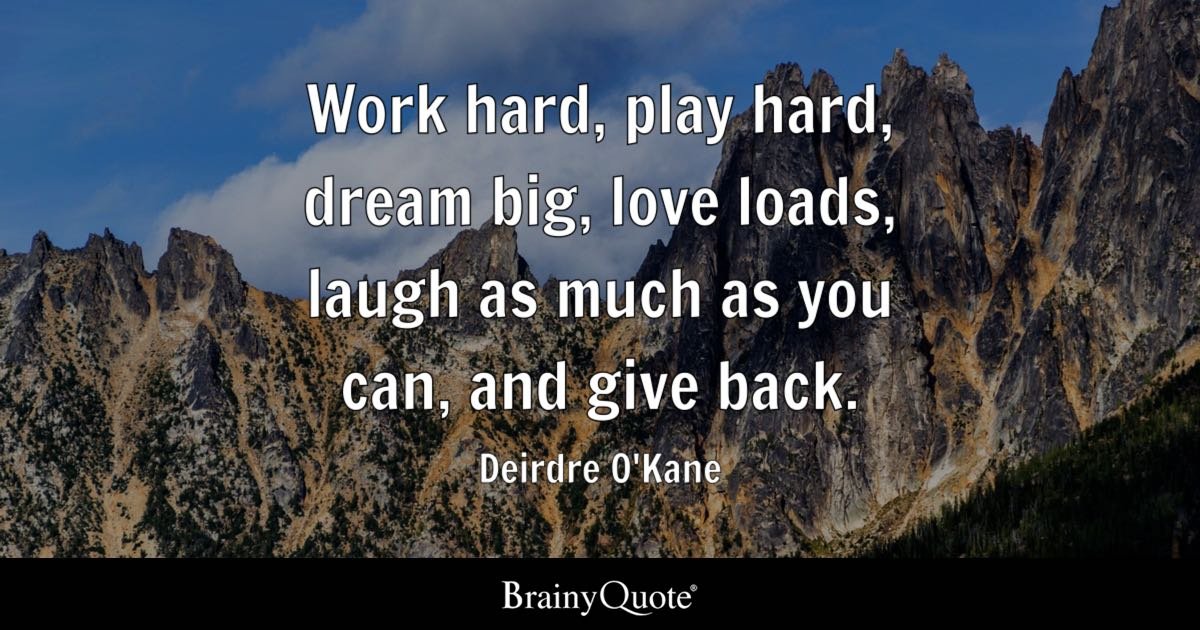
Motivational Quotes For Work20251005
Content about motivational quotes for work20251005 (Auto-generated fallback due to API error).
For the bigger picture and full context, make sure you read our main guide on Work Hard Play Hard Quotes To Inspire a Balanced Life.
"Work hard, play hard" sayings are peppered throughout our culture, promising a life of both productivity and enjoyment. But is this philosophy genuinely about balance, or does it often lead to burnout disguised as a badge of honor? Understanding the nuances is crucial before fully embracing this mantra.
At a glance:
- We'll explore whether "work hard, play hard" truly equates to a balanced life or masks potential pitfalls.
- You’ll learn practical strategies to implement the philosophy in a sustainable way.
- Discover how to define "play" in a manner that genuinely rejuvenates you.
- We'll address common misconceptions and offer actionable steps to prevent burnout.
The Allure (and the Illusion) of "Work Hard, Play Hard"
The appeal is undeniable. The implication behind the phrase is that relentless effort during work hours justifies equally intense leisure activities. You grind it out, then you let loose. This narrative promises a life of both accomplishment and excitement, fueled by the anticipation of reward after periods of intense labour. As Jim Rohn suggests, working hard allows for guilt-free leisure.
However, the problem arises when "play hard" becomes yet another performance to chase. If relaxation turns into an extreme sport, are you truly recharging, or just adding another layer of exhaustion? It's a question worth considering.
Beyond the Slogan: Defining Your Own "Hard" and "Play"
Before adopting this lifestyle, it's crucial to define what "hard work" and "play" actually mean to you. This isn't about mimicking what you see on social media; it's about aligning the philosophy with your personal values and needs.
- "Hard Work": Is it long hours? Intense focus? Challenging projects? Identifying your definition allows you more control over your effort. As Ray Bradbury points out, work should be aligned with something you love, which can make even hard work feel fulfilling.
- "Play": This is where many fall short. “Play” shouldn't be another form of exhausting escapism. It should be restorative, enjoyable, and aligned with your values. This could be anything from reading a book in nature to playing a sport. The key is that it recharges you.
The Proportion Problem: It's Not Balance, It's Alignment
Danielle LaPorte argues that life balance is a myth, and she makes a valid point. Perfect equilibrium rarely exists. Attempting to perfectly balance work and play can lead to frustration and a sense of constant failure. Instead, aim for proportion – an alignment of work and play that feels sustainable and fulfilling for you.
Think of it as a personalized equation. Is it 70/30 in favor of work during peak project times? Or 50/50 when things are more steady? The key is awareness and intention, as Mark Forster suggests in acknowledging the importance of personal time as equal to work time.
Avoiding the Burnout Trap: Practical Safeguards
The "work hard, play hard" mentality can easily morph into a recipe for burnout if not managed carefully. Here are some actionable strategies to avoid this:
- Scheduled Downtime: Treat relaxation like a crucial meeting. Block out specific times for activities that recharge you, and protect those times fiercely.
- Mindful Play: Engage in leisure activities that are truly restorative. Avoid activities that leave you feeling more drained than when you started. This aligns with Theodore Roosevelt's sentiment of focusing entirely on either work or play at one given time.
- Regular Check-ins: Regularly assess your energy levels and stress levels. Are you consistently feeling overwhelmed or exhausted? Adjust your "work hard, play hard" ratio accordingly.
- Set Boundaries: Establish clear boundaries between work and personal life. Turn off work notifications after hours, and avoid checking emails on weekends.
- Delegate and Automate: Free up time for both work and play by delegating tasks where possible and automating repetitive processes. This aligns with Oprah Winfrey's sentiment of doing what is necessary to achieve desired goals.
Case Snippet: The Entrepreneur's Dilemma
Consider Sarah, a tech entrepreneur running a startup. Fueled by the "work hard, play hard" ethos, she was working 80+ hour weeks, followed by intense party weekends. While she initially thrived on the adrenaline, she soon found herself constantly exhausted and experiencing panic attacks.
Sarah realized her "play" was just another form of stress. She shifted her "play hard" activities towards spending quality time in nature, reading, and practicing mindfulness. While the work was still demanding, these changes allowed her to sustain the lifestyle without burning out.
Quick Answers: Addressing Common Misconceptions
- Isn't "work hard, play hard" just an excuse for being a workaholic? Not necessarily. When practiced mindfully and with clear boundaries, it can be a sustainable way to pursue both professional goals and personal fulfillment. However, self-awareness is key to prevent it from enabling workaholism.
- Does "play hard" have to involve expensive or elaborate activities? Absolutely not. The best "play" is often simple and accessible – spending time with loved ones, pursuing hobbies, or simply relaxing in nature.
- What if I don't enjoy "playing hard?" That's perfectly fine! The most important thing is to find activities that genuinely recharge you, regardless of whether they fit the conventional definition of "play."
- How do I measure if my "work hard, play hard" lifestyle is working? Pay attention to your energy levels, stress levels, and overall well-being. If you consistently feel overwhelmed, exhausted, or dissatisfied, it's time to reassess your approach.
Here are a few options, depending on the surrounding context: * Find inspiring "work hard" quotes. * Balance work & play: quotes. * Inspiration for a balanced life. * More "work hard, play hard" quotes. * Get inspired: work-life balance. offers further inspiration for establishing a balanced life, encompassing both dedicated work and fulfilling leisure.
Actionable Close: Your "Work Hard, Play Hard" Playbook
Ready to create your own sustainable "work hard, play hard" strategy? Here's a quick-start guide:
- Define Your "Hard" and "Play": Get specific about what these terms mean to you, beyond the surface-level definitions.
- Assess Your Current Ratio: Honestly evaluate how much time and energy you're currently dedicating to work and play.
- Schedule Dedicated Downtime: Block out specific times for activities that recharge you.
- Prioritize Restorative Play: Choose activities that genuinely rejuvenate you, rather than adding to your stress.
- Set Clear Boundaries: Establish boundaries between work and personal life.
- Regularly Check-In: Monitor your energy levels and stress levels, and adjust your strategy as needed.
- Embrace Imperfection: Remember that balance is a myth. Aim for proportion and flexibility.
The "work hard, play hard" philosophy can be a powerful tool for achieving both professional success and personal fulfillment. But it requires a mindful, intentional approach that prioritizes sustainability and well-being above all else. By defining your own terms, setting clear boundaries, and prioritizing restorative play, you can create a lifestyle that truly works for you.